CMMC assessments are a critical step for Department of Defense (DoD) contractors handling Controlled Unclassified Information (CUI). We’ve observed common issues that can make assessments more challenging or time consuming for organizations. Understanding these pitfalls can help your team stay organized, confident, and effective during the assessment.
1. Incomplete or Disorganized Documentation
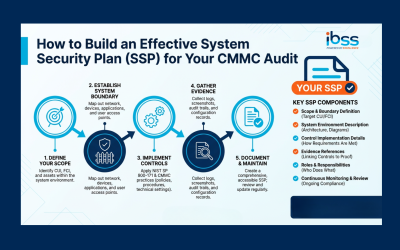
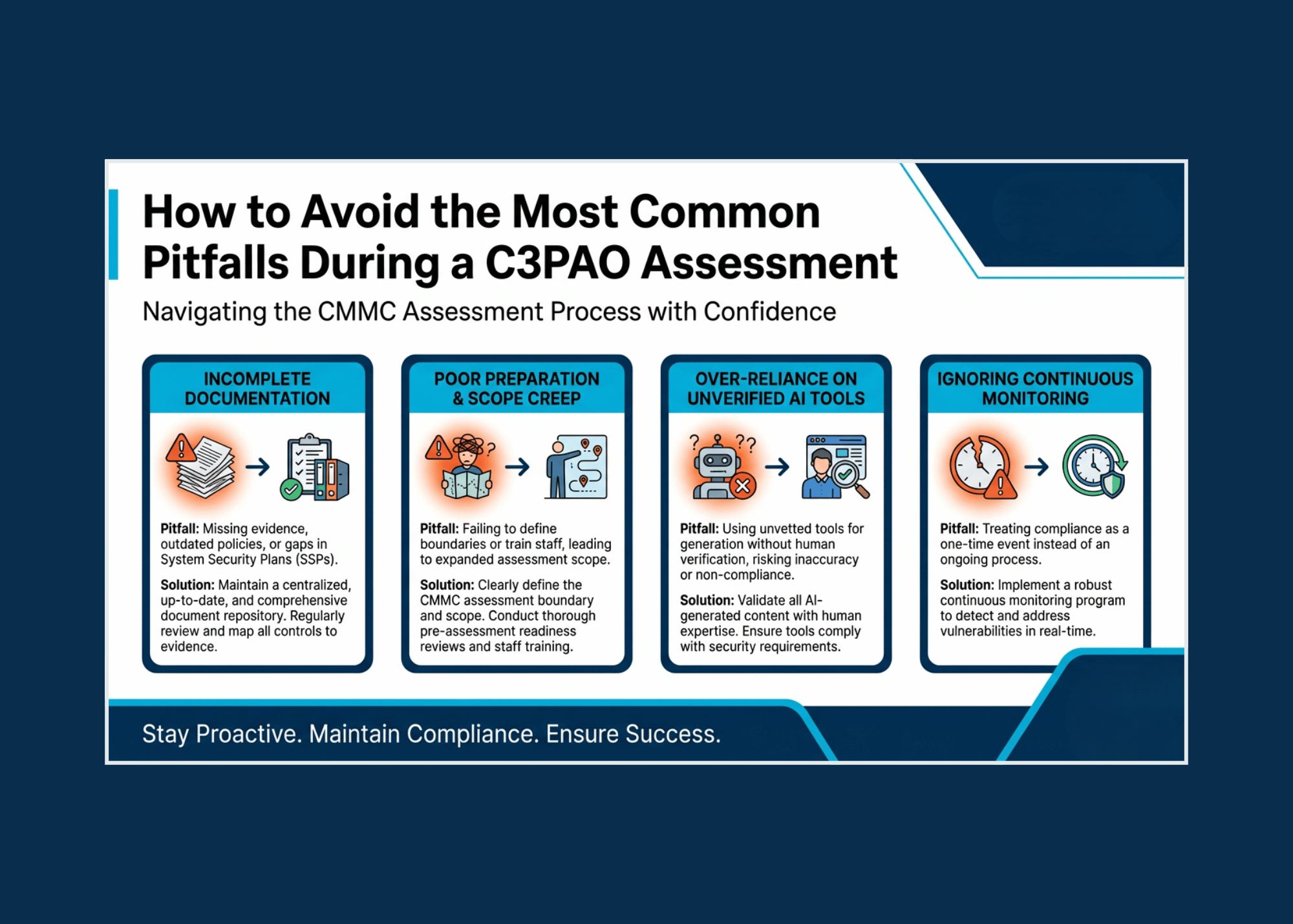
One of the most frequent challenges we see is documentation that is incomplete, inconsistent, or difficult to navigate.
- Why it matters: Assessors need to verify evidence against CMMC Level 2 requirements efficiently. Missing or scattered documentation can slow the process and create unnecessary follow ups.
- How to avoid it: Organize your security plan, policies, procedures, and supporting evidence clearly. Use version control, label files consistently, and ensure access is secure but straightforward.
2. Misunderstanding the Scope of the Assessment
Incorrectly defining what’s in-scope for the assessment can lead to confusion or delays.
- Why it matters: All relevant systems, networks, and data flows must be included in the assessment. Oversights can cause rework or additional audit steps.
- How to avoid it: Confirm the assessment boundaries early. Identify all environments, assets, and subcontractor connections that handle CUI before the assessment begins.
3. Lack of Internal Alignment
Even if your documentation is complete, misalignment between teams can create bottlenecks.
- Why it matters: Assessors will interview staff responsible for implementing controls. Conflicting answers or uncertainty can prolong the assessment and raise questions about control maturity.
- How to avoid it: Ensure staff know their roles, responsibilities, and the location of key documentation. Conduct internal reviews or tabletop exercises to align understanding.
4. Overlooking Technical Validation Requirements
CMMC assessments include technical verification of controls.
- Why it matters: If systems aren’t configured correctly or evidence of control implementation is missing, it can trigger findings that require remediation.
- How to avoid it: Verify that technical controls are in place and functioning as intended. Ensure logs, monitoring, and access controls are accurate and up to date.
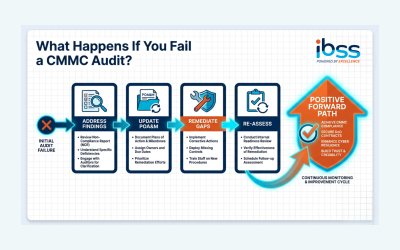
5. Treating the Assessment as a One-Time Event
Some organizations approach the assessment as a single activity rather than part of an ongoing security program.
- Why it matters: CMMC emphasizes consistent, repeatable processes. Assessors will look for evidence that controls are applied continuously and not just for the audit.
- How to avoid it: Maintain regular compliance checks, document changes, and track control effectiveness throughout the year, not just immediately before the assessment.
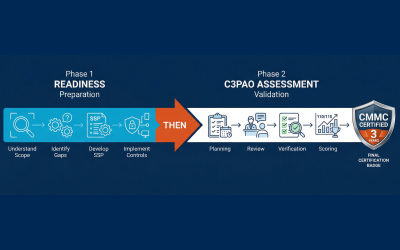
6. Confusing Readiness Preparation with the Assessment
It’s important to remember that C3PAOs, including IBSS, do not provide readiness consulting or remediation.
- Why it matters: Trying to seek guidance during the assessment can compromise independence and slow the process.
- How to avoid it: Complete internal or third-party readiness activities before scheduling your assessment. Only request clarification about the assessment process, not control implementation.
7. Failing to Use a Secure Evidence Submission Process
Using unsecured or inconsistent methods for submitting documentation can create delays or even risk exposing sensitive information.
- Why it matters: Secure, structured evidence submission helps assessors complete the review efficiently and protects CUI.
- How to avoid it: Use a secure portal or agreed-upon method that ensures proper file organization, access control, and confidentiality.
IBSS’ Role in Supporting a Smooth Assessment
As an Authorized CMMC Level 2 C3PAO, IBSS focuses on:
- Conducting objective, impartial assessments
- Following a clear, structured process
- Communicating expectations around documentation, scheduling, and logistics
Takeaways
Avoiding these common pitfalls can save time, reduce stress, and help ensure your C3PAO assessment is completed smoothly.
- Keep documentation organized and complete
- Confirm assessment scope early
- Align staff roles and responsibilities
- Ensure technical controls are functioning
- Maintain continuous compliance practices
- Complete readiness work before scheduling
- Use secure, structured evidence submission
Our team helps ensure the assessment is efficient, predictable, and fair. Being aware of these common pitfalls allows organizations to make the most of the assessment experience.
Ready for Your CMMC Level 2 Assessment?
If your organization is ready for its CMMC Level 2 assessment, IBSS is now accepting assessment engagements. Request a CMMC Level 2 Assessment slot at ibsscorp.com/c3pao or email us at C3PAO@ibsscorp.com to start the path toward certification with a team that knows the process inside and out.
About IBSS
Since 1992, IBSS has provided transformational cybersecurity services to the Federal defense, civilian, and commercial sectors. IBSS is an Authorized C3PAO, a designation granted by The Cyber AB (CMMC Accreditation Body) under the guidance of the Department of Defense (DoD). This authorization confirms that our organization has successfully completed the rigorous process required to assess the cybersecurity posture of organizations within the Defense Industrial Base (DIB) against the requirements of the Cybersecurity Maturity Model Certification (CMMC).
- Authorized by: The Cyber AB (Official Accreditation Body)
- Listing Verification: https://cyberab.org/Member/C3PAO-2829-Ibss-Corp
- Relevant Standards: C3PAO Authorization, CMMI SVC Level 3 and DEV Level 3, ISO 9001:2015 Certified Quality Management System, ISO/IEC 20000-1:2018 Certified Information Technology Services Management (ITSM), ISO/IEC 27001-2022 Certified Information Security Management Systems (ISMS), ISO/IEC 17020:2012 Compliance (in progress).
Read more About Us.
Keywords: CMMC, Authorized C3PAO, DoD Requirements, NIST SP 800-171, Cybersecurity, DIB, Cyber AB