Like any food production system, aquaculture encompasses a wide range of practices, species, and environments. Modern aquaculture relies on research, innovation, and environmental stewardship to produce seafood while supporting healthy ecosystems and coastal communities. Let’s examine some of the most common myths about aquaculture and the facts behind them.
Myth #1: Aquaculture Is Just “Fish Farming”
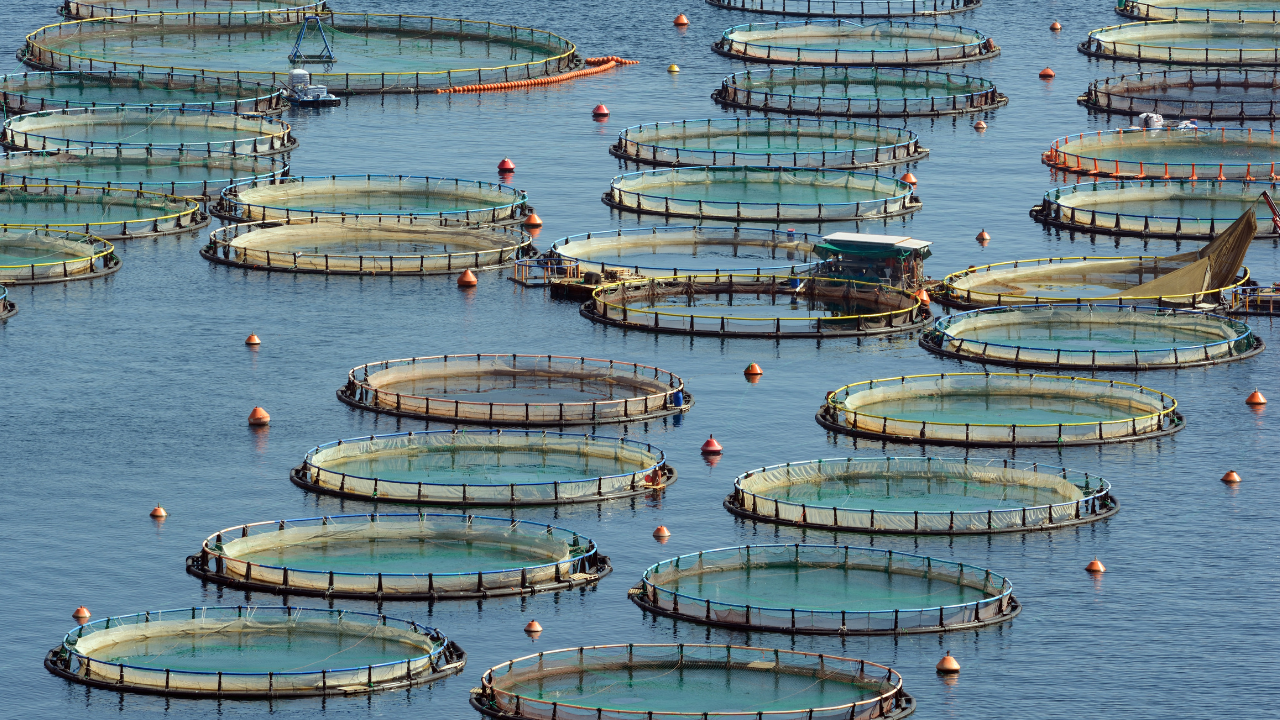
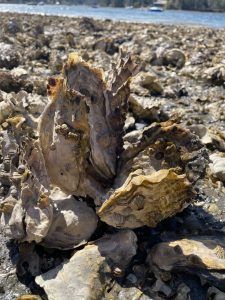 While fish are the most recognized species raised through aquaculture, the industry is much broader. Aquaculture includes the cultivation of shellfish such as oysters, mussels, and clams, as well as seaweed and other aquatic plants.
Different species require different environments, feeding methods, and management strategies. Freshwater ponds, offshore systems, recirculating indoor facilities, and coastal farms all represent different approaches designed for specific species and locations. Understanding these differences is essential because there is no one-size-fits-all approach to aquaculture.
Myth #2: Aquaculture Is Harmful to the Environment
One of the most persistent misconceptions is that aquaculture negatively impacts the environment. In reality, responsible aquaculture is carefully planned and managed to minimize environmental impacts while supporting sustainable seafood production.
Researchers evaluate water quality, habitat conditions, species interactions, and ecosystem health before identifying suitable locations for aquaculture. Ongoing monitoring helps ensure operations continue to meet environmental standards. Some forms of aquaculture can even provide environmental benefits. For example, shellfish naturally filter water as they feed, while seaweed cultivation can absorb nutrients from surrounding waters.
Myth #3: Wild-Caught Seafood Is Always More Sustainable
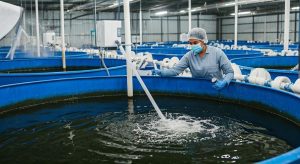
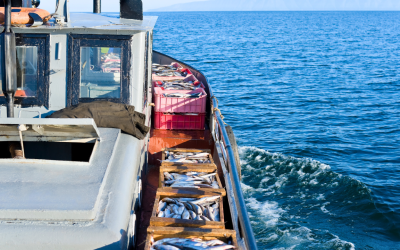
Wild fisheries and aquaculture both play important roles in supplying seafood. Neither is inherently more sustainable than the other. Sustainability depends on how seafood is harvested or raised, how resources are managed, and whether science-based practices are followed.
Responsible aquaculture helps reduce pressure on some wild fish populations while providing a reliable source of seafood. At the same time, well-managed wild fisheries remain an important component of global seafood production. Both systems benefit from strong scientific research, effective management, and continuous monitoring.
Myth #4: Aquaculture Doesn’t Require Scientific Research
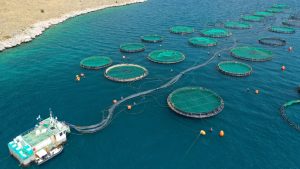
Modern aquaculture depends on science at every stage. Researchers study animal health, genetics, nutrition, water chemistry, disease prevention, habitat conditions, and environmental impacts. Scientists also identify suitable Aquaculture Opportunity Areas by analyzing ecological, economic, and social factors.
Advances in data analytics, environmental monitoring, and technology continue to improve aquaculture practices while helping producers make informed decisions. Without ongoing scientific research, aquaculture could not continue to evolve or meet future food demands responsibly.
The Future of Aquaculture
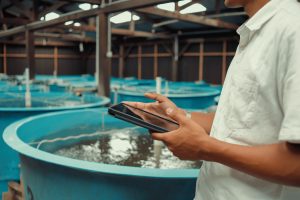
Innovation continues to transform aquaculture. Emerging technologies such as artificial intelligence, remote sensing, automated monitoring systems, and advanced data analytics are helping researchers and producers better understand aquatic environments, improve operational efficiency, and support informed decision-making.
At the same time, collaboration among scientists, government agencies, industry, and coastal communities is helping ensure aquaculture develops in ways that balance food production with environmental stewardship
. As research advances, aquaculture will continue to play an important role in strengthening food security while supporting healthy marine ecosystems.
Science Drives Better Solutions
Aquaculture is far more complex than many common myths suggest. Behind every successful operation are scientists, researchers, engineers, resource managers, and communications professionals working together to better understand aquatic environments and develop practical, science-based solutions.
Organizations like IBSS support this work by combining marine science, data analytics, stakeholder engagement, and technology to help clients address complex challenges in aquaculture and living marine resource management. Through research, outreach, and scientific innovation, these efforts contribute to healthier ecosystems, informed decision making, and a more sustainable future for our oceans.
About IBSS
Since 1992, IBSS, a woman-owned small business, has provided transformational consulting services to the Federal defense, civilian, and commercial sectors. Our services include environmental science and engineering (including oceans, coasts, weather, and satellite), cybersecurity and enterprise information technology, and professional management services.
IBSS is committed to service excellence – to our clients, employees, partners, and the global community as a whole. We proactively create value through science, technology, innovation, agility, and adaptability.
Keywords: aquaculture, fish farming, sustainable seafood, oceans and coasts, seafood