From abandoned fishing nets entangling endangered species to microscopic plastic particles entering marine food webs, marine debris has become one of the most persistent threats to ocean health.
According to the United Nations Environment Programme (UNEP), approximately 11 million metric tons of plastic enter the ocean annually, based on estimates published in 2021. Without significant intervention, that figure was projected to increase substantially by 2040.
How Marine Debris Impacts Ocean Ecosystems
Marine debris includes human-made materials such as plastic packaging, bottles, discarded fishing equipment, and other waste that enters marine environments. Plastic is particularly concerning because it can persist for decades or longer, gradually breaking into smaller fragments known as microplastics.
The consequences extend throughout marine ecosystems:
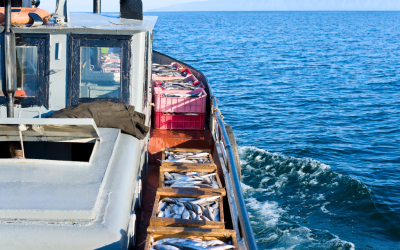
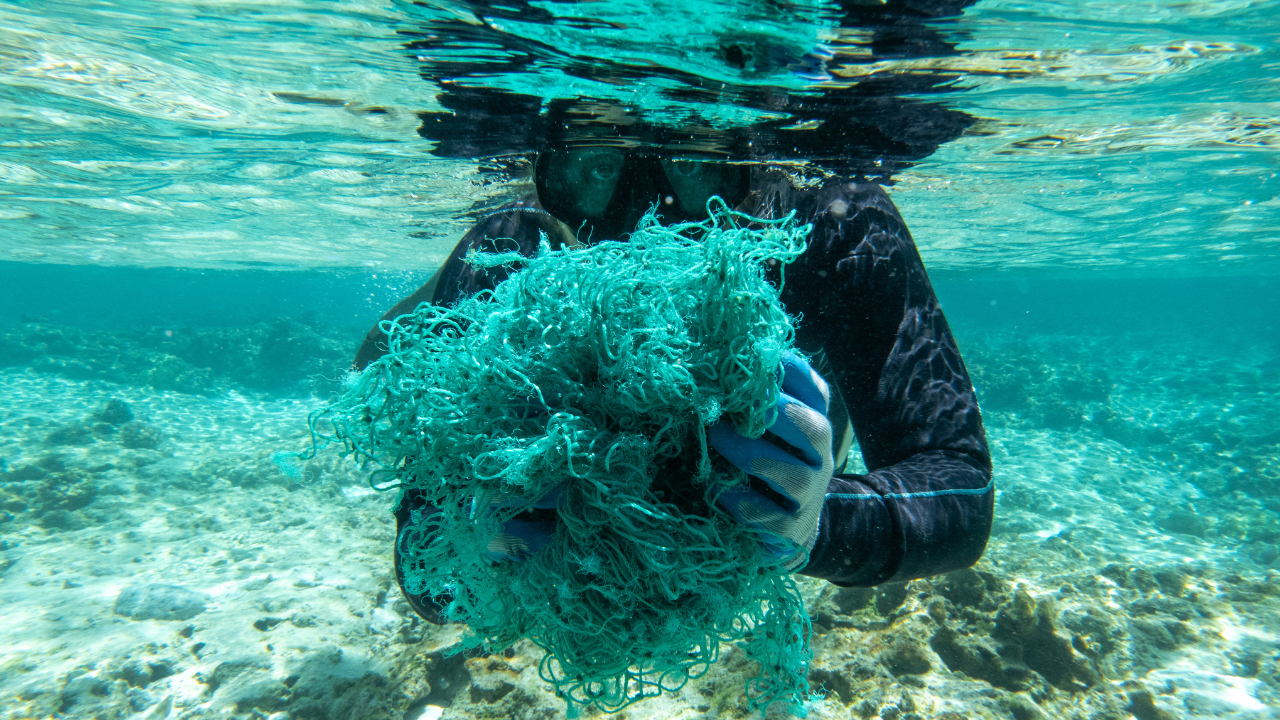
- Wildlife Entanglement: Abandoned fishing nets, lines, and traps can continue capturing marine animals long after being discarded. Known as ghost fishing, this phenomenon threatens sea turtles, marine mammals, fish, and seabirds.
- Plastic Ingestion: Marine animals frequently mistake plastic for food, potentially causing digestive blockages, internal injuries, and malnutrition. Microplastics can also enter marine food webs when consumed by smaller organisms.
- Habitat Destruction: Fishing nets and other debris can damage coral reefs, smother seagrass beds, and disrupt habitats that provide shelter and breeding grounds for marine species.
According to NOAA, marine debris has been documented to affect more than 700 species. Research has also documented entanglement in more than 350 species, demonstrating the widespread consequences of marine pollution.
The Growing Scale of Ocean Plastic Pollution
Despite increasing awareness, plastic pollution remains a significant environmental challenge. UNEP’s 2021 assessment estimated that approximately 11 million metric tons of plastic entered the ocean annually. Under the report’s projections, that amount could reach between 23 million and 37 million metric tons per year by 2040.
Marine debris also creates economic consequences. Pollution can damage fishing equipment, reduce catches, create navigation hazards, and affect tourism and coastal recreation. UNEP estimated that marine plastic pollution accounts for approximately 85% of marine litter and generated between $6 billion and $19 billion in economic costs in 2018.
These environmental and economic impacts highlight the importance of preventing waste from entering waterways while removing debris already present in marine ecosystems.
Protecting Marine Habitats Through Conservation
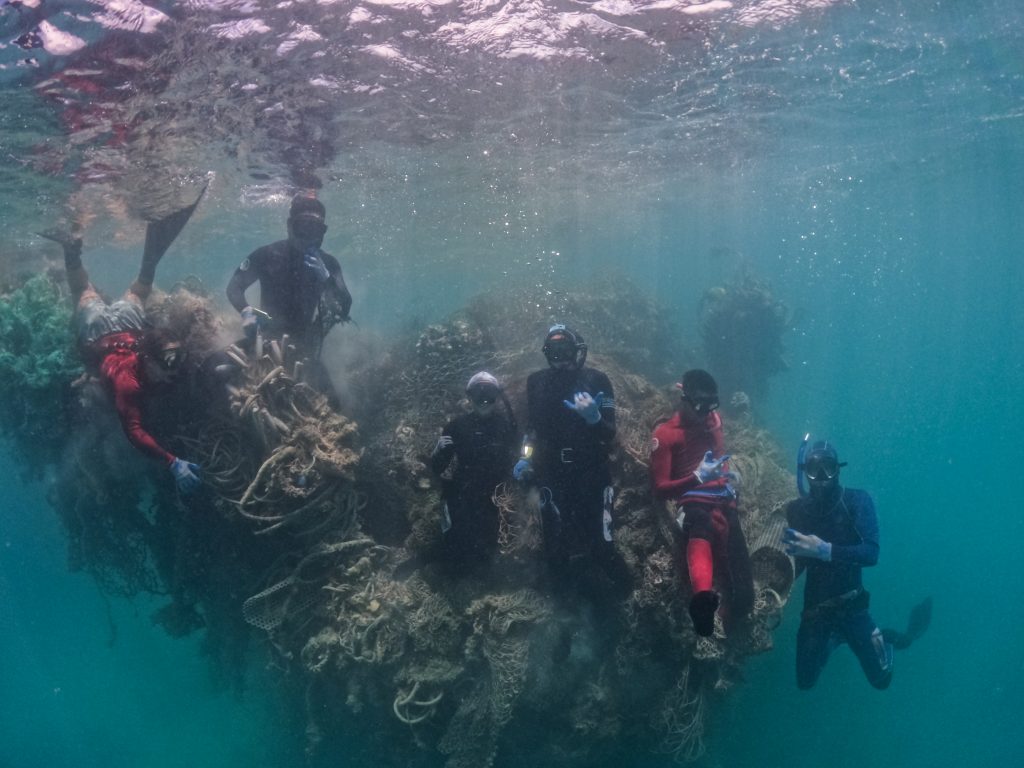
Photo credit: Andrew Sullivan-Haskins, PMDP Team
Addressing marine debris requires scientific research, improved waste management, responsible fishing practices, and hands-on restoration efforts. In the Northwestern Hawaiian Islands, the Papahānaumokuākea Marine Debris Project (PMDP) works to remove abandoned fishing gear and plastic waste from vulnerable marine environments.
Despite its remote location, Papahānaumokuākea receives significant amounts of debris transported by ocean currents. Abandoned fishing nets can become entangled in coral reefs, damaging habitats and threatening endangered species such as Hawaiian monk seals and green sea turtles.
IBSS proudly supports PMDP’s marine debris removal efforts. During an 18-day 2026 mission at Kuaihelani (Midway Atoll), the team recovered 51,475 pounds of marine debris, helping protect critical marine habitats (the season total surpassed 73.5 U.S. tons). These efforts demonstrate how targeted restoration projects can make a measurable difference in protecting ocean ecosystems.
The Path Toward Healthier Oceans
Reducing marine debris requires both prevention and continued cleanup efforts. Improvements in waste management, fishing gear recovery, and scientific monitoring can help reduce pollution and identify areas most in need of restoration.
UNEP’s 2023 Turning off the Tap Report estimated that global plastic pollution could be reduced by approximately 80% by 2040 through major policy and market changes using existing technologies. While the challenge remains significant, collaborative conservation efforts are helping protect marine wildlife, restore damaged habitats, and reduce the long-term impacts of pollution.
At IBSS, environmental stewardship is an important part of our commitment to serving others and protecting our planet. Through partnerships like PMDP, we are proud to support meaningful conservation efforts that help preserve marine ecosystems for future generations.
About IBSS
Since 1992, IBSS, a woman-owned small business, has provided transformational consulting services to the federal defense, civilian, and commercial sectors. Our services include: environmental science and engineering (including oceans, coasts, weather, and satellite), cybersecurity and enterprise information technology, and professional management services.
IBSS is committed to service excellence – to our clients, employees, partners, and the global community as a whole. We proactively create value through science, technology, innovation, agility, and adaptability.